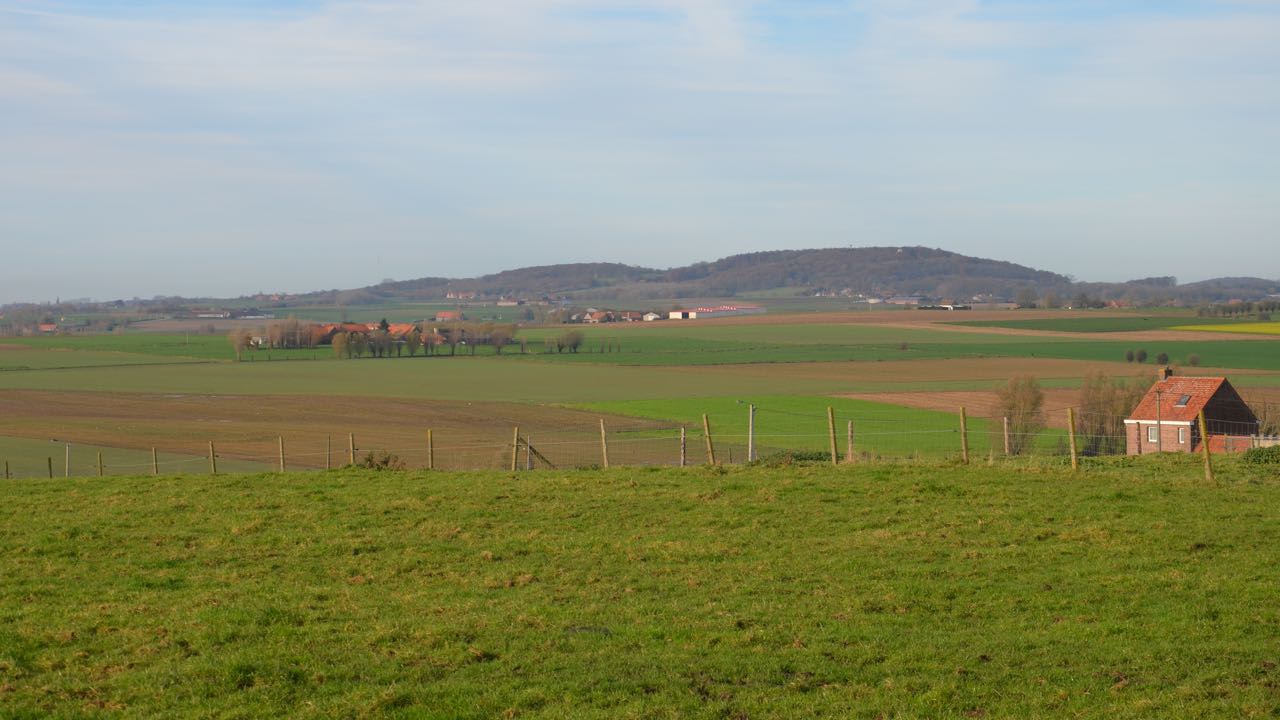

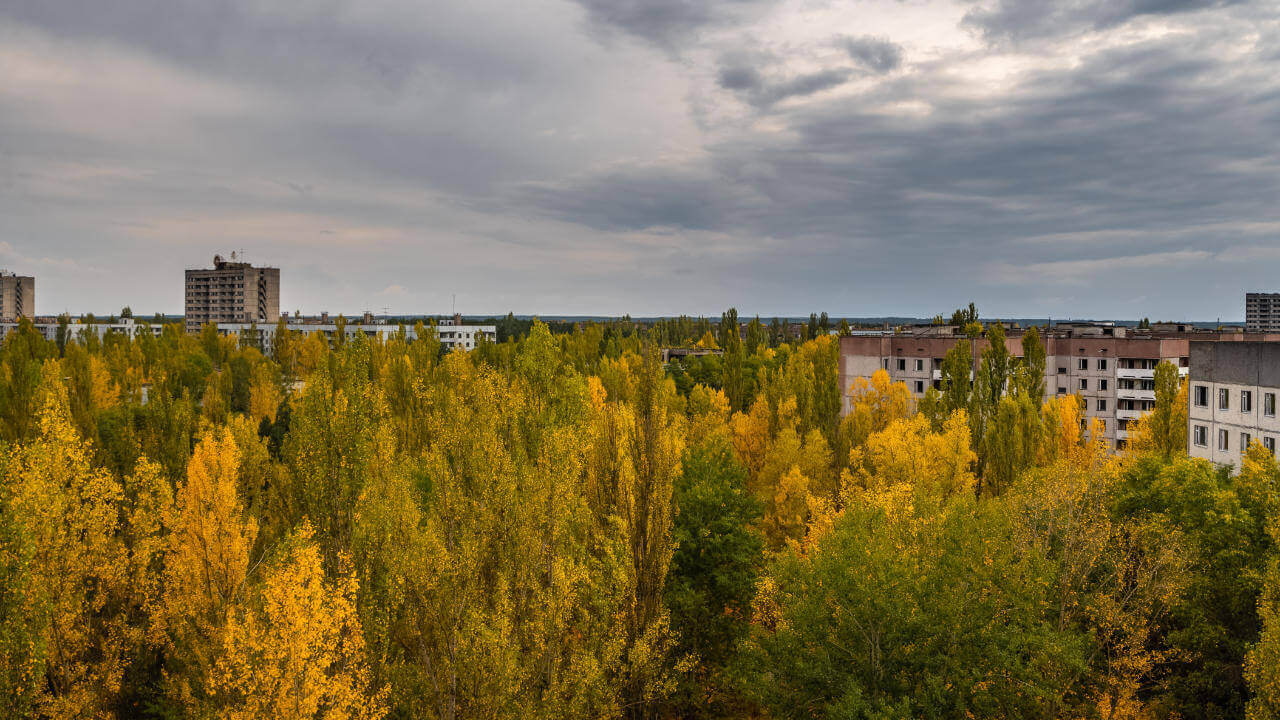
Landscape research builds on a long tradition initiated by the holistic and interdisciplinary approach of the regional geography.
The course Integrated International Projectwork received second place in the ENLIGHT Teaching & Learning Awards at the ENLIGHT conference in Uppsala, Sweden. This course from the Master's programme in Geography and Geomatics offers students a unique learning experience through an international research trip. Students work in multidisciplinary teams on current societal and ecological challenges. They design their own research project, conduct fieldwork in collaboration with local and international partners, and present their findings in a conference setting. Students describe the course as "a once-in-a-lifetime experience" and "the best part of their education".
Landscape research combines many different research disciplines, such as physical geography, social geography, landscape history, archaeology, landscape ecology, spatial planning, landscape planning and -management, landscape architecture, environmental sciences and environmental psychology.
The study of landscapes is based on the holistic and essentially interdisciplinary approach applied in regional geography, in which aerial photograph interpretation, land characterisation and -survey and GIS are common techniques. The approach is fundamentally integrated (interdisciplinary and multidisciplinary) and integrates a wide variety of topics, characterised by a regional and spatial differentiation.
The need for fundamental landscape research is growing because of the fast changes in our environment. Many applied sciences such as regional and environmental planning (impact assessment), land evaluation and management, etc. require this fundamental knowledge, and the demand is still growing.